When OpenAI acquired TBPN, a creator-led media property, it wasn’t a content play. It was a signal. In an AI-driven world, controlling technology isn’t enough. You also need to control narrative, distribution, and influence. OpenAI didn’t just acquire a media property. It acquired influence.
AI doesn’t create knowledge in a vacuum. It is trained on, and increasingly influenced by, the content that exists across the internet. And today, that content is overwhelmingly driven by creators. According to the latest IAB and Deighton study, Creators are now the largest and fastest-growing job segment within the digital economy, accounting for more than one out of every 10 full-time, internet-dependent jobs.
We’re entering a new phase where Creators aren’t just part of the media ecosystem. They are becoming part of the infrastructure that powers AI itself.
AI doesn’t just learn from what creators publish. It learns from how people respond. Every comment thread is a feedback loop, a real-time dataset of questions, reactions, and trust signals. In that sense, the creator economy isn’t just producing content. It’s producing the training data that makes AI feel human.
For years, creator marketing was framed as a question of performance. Now, a new question is emerging: Does this content influence how a brand shows up in AI-generated answers?
Because that’s where discovery is going.
At the same time, we’re seeing the rise of Creator-first campaigns. To unpack what’s driving this shift and where it’s going next, I sat down with Jasmine Enberg, who has spent over a decade analyzing the creator economy and just last year launched Scalable with Kaya Yurieff; a dedicated media company focused on covering the business of the Creator Economy.
Interview with Jasmine Enberg, Co-CEO and Founder of Scalable Pod
Zoe: For a while, the industry was asking whether AI would replace creators. Is that still the right question?
Jasmine: No, and it never really was.
Large language models rely heavily on creator and user-generated content on platforms like YouTube and Reddit to form their answers. That means creators are critical to discovery and visibility in LLM responses.
At the same time, people have very little trust in AI. That’s a big reason why OpenAI acquired TBPN: to try to reshape the narrative around the technology. It also means that people will continue to look for social proof, which often means creator reviews and recommendations.
So, the conversation is starting to shift from “AI versus creators” to “AI and creators.”
Zoe: That’s a big shift. What does that actually mean for brands?
Jasmine: It fundamentally changes how brands should think about their marketing and media strategies. AI is a structural shift for brands in terms of how they reach audiences, much like creators were and still are.
For years, the focus was on reach and engagement, did the post perform? Did it drive clicks?
With the rise of the creator economy, brands had to start accepting that what other people were saying about them is often more important than their own brand message.
With more people using AI to research products and brands, the important question now is: Does this content shape how our brand shows up in discovery and increasingly, in AI-generated answers?
Most brands now have a sense of how often they’re showing up in LLM responses. Many aren’t happy about it. The savvy ones are now turning to creators to change that.
Zoe: So, is this the new version of SEO?
Jasmine: That’s one way to think of it. But it’s also more than that. It’s about redesigning content strategies to make sure that content is answering the questions that people are searching for in a way that’s easy for LLMs to understand.
That includes:
- Structured, searchable video content
- Authoritative, trusted voices
- Community-driven conversations
Many creators produce content this way, often for channels like YouTube that LLMs are leaning on.
Zoe: Is there a practical implication Creators and brands can act on today?
Jasmine: Yes, and it’s more concrete than people think. What I’m hearing from people who are building tools in this industry is that seemingly small things like chapter titles in videos matter. Beyond that, repeatable structures and credibility are key.
This is also critical for creators, even outside of their partnerships with brands. AI doesn’t always do a great job of attributing content, meaning that creators aren’t getting credit for their work.
Zoe: Creator ad spend is projected to hit $44 billion this year, growing twice as fast as the rest of digital media. What’s driving it?
Jasmine: One of the most interesting dynamics we saw come out of the latest IAB Creator Ad Spend Report is that more budget is now going into paid amplification of creator content than into creator partnerships themselves.
That tells you two things: brands want better ways to extend reach and measure the success of their creator partnerships. There is also now more infrastructure than ever before for brands to buy creator ads more efficiently, optimize performance and measure outcomes in a more standardized way. There’s still a lot of work to do, but the plumbing for the industry is now being built.
Some of that is coming from the platforms themselves. After years of taking a mostly hands-off approach to influencer marketing, they’re now investing heavily in tools, partnership ads, creator marketplaces, measurement capabilities and even affiliate. Not all of these features will live up to the hype, but it shows that they are taking creator seriously as a media channel. Of course, they also want a cut of the spending.
Zoe: So, this isn’t just about creators being culturally relevant anymore. It’s about the creator economy becoming operationalized as a media channel. What do you think most brands are still getting wrong?
Jasmine: Many are still treating Creator as a tactic. It’s still sitting in the social bucket, or as a campaign line item, or something else. People don’t think about their media habits in channels or buckets the way brands do. Companies can’t capture the full value of creators by operating in silos.
Zoe: What are you most bullish on in 2026 and what’s overhyped?
Jasmine:
Bullish: Instagram carousels. Instagram is pushing Reels, and it’s really good now! But research shows that carousels are outperforming every other format on the platform. Some of it is gamification: people like to swipe to complete. Some of it is that Instagram started as a photo app, and that muscle memory runs deep.
Bullish: Live events. Podcasters are going on tour. Brands are sponsoring or hosting creator-led experiences. People genuinely want to be in person again, and there are interesting new partnership models opening up between creators and brands around events that go well beyond the standard paid post.
Overhyped: I think podcasting is entering its reality check era. It’s still an incredibly important and valuable marketing channel, but we’re seeing more longtime podcasters ditch their shows because it’s getting harder and harder to justify the cost and commitment. The burnout is real.
The shift to video podcasting has also added new barriers to entry, particularly for women and minorities, who face heightened scrutiny around appearance and greater exposure to online harassment.
Zoe: What’s one piece of advice you would give to marketers on how to approach the creator economy differently in 2026?
Jasmine: It’s an overused saying but brands need to start thinking of themselves as media companies, more than ever before.
We’re already seeing this shift take shape in real ways. For example, the rise of formats like micro-dramas, where brands are building narrative-driven content rather than just promoting products. They’re not right for every brand, but the idea behind it is.
Meanwhile, every brand is also trying to figure out their long-form strategies on YouTube, rather than just buying ads.
This is a fundamental change from how advertising used to work, moving away from “here’s the product, please buy it” to building stories that people actually want to engage with. Creators are central to that shift.
At the same time, entertainment is becoming a core pillar of brand strategy. You’re seeing companies like Gap bring in a Chief Entertainment Officer, that’s a signal. Putting entertainment at the C-suite level reflects how important this has become.
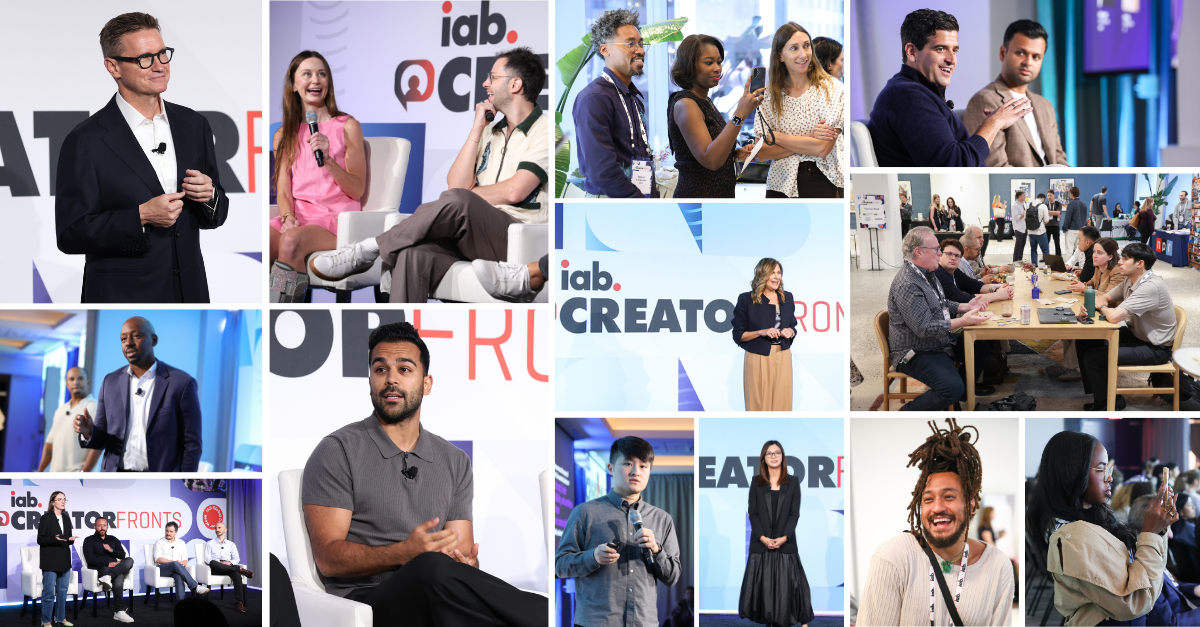
Zoe: You and Kaya Yurieff are bringing together some of the most important voices in the creator economy at the Scalable Summit in LA on May 6th. What was the insight or gap in the market that made you say this event needs to exist?
Jasmine: Every big conference has a Creator Economy track or Creator Economy programming right now, so it’s discussed pretty much anywhere you go. But there isn’t a dedicated conference to the business of the Creator Economy where you can really have deep-dive conversations on how to build long-lasting, scalable businesses. We need a place where all the disparate parts of the industry, from the people building the tools to the people spending the budget, can come together to explore what’s working and what needs to be fixed.