Gaming Wants Brands to Know That It’s Just Like Other Media Channels, and That It’s Also Unique and Meaningfully Different
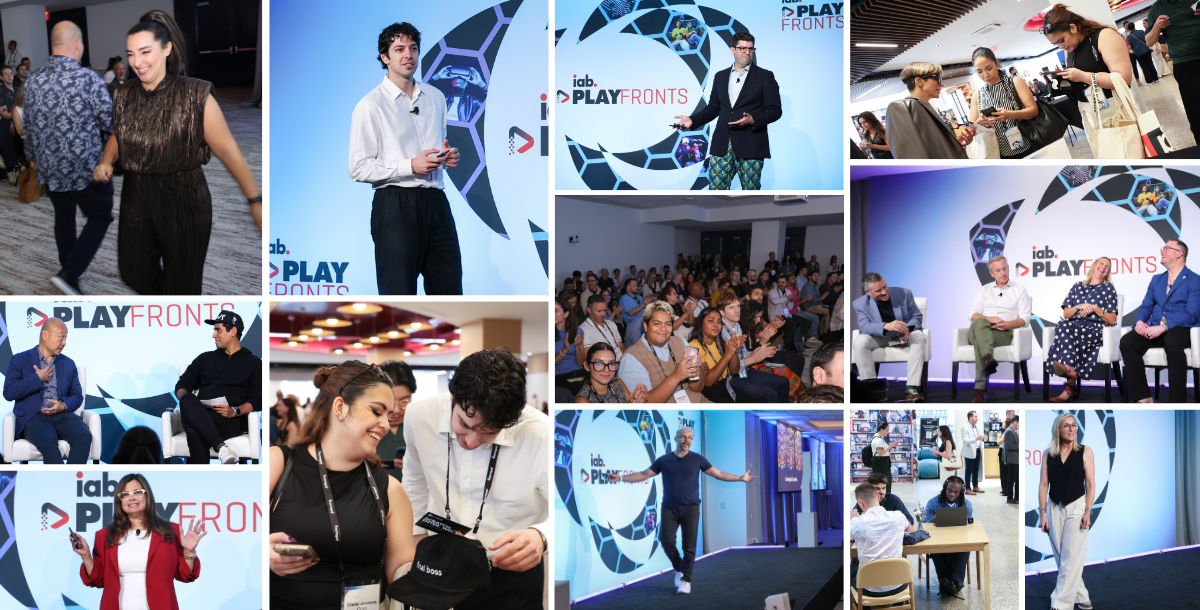
The IAB PlayFronts games marketplace event on September 17th, 2026, delivered energy, enthusiasm, and progress, alongside lingering angst over the disproportionately small share of ad spend, which continues to frustrate publishers and platforms that serve millions of engaged and desirable consumers. Per the IAB’s recent report, The Business Case for Gaming, game advertising has reached an inflection point in its journey to mass adoption. Familiar targeting and measurement capabilities are now broadly available. Meanwhile, game platforms remain determined to showcase the unique traits making gaming different, and arguably better than more traditional advertising venues. That prominent theme threaded through the day’s sessions.
Gaming Has Moved from Experimental to Investable
For years, gaming has been messaging about its scale and significance. With 212.3 million Americans playing games regularly and 67% of 5–90-year-olds in the U.S. playing at least an hour per week, the magnitude is not debatable. Marketers have seen and heard the audience numbers. Platforms want the share of the plan they feel they have earned. What the 2026 IAB PlayFronts made clear is that the essential discussion has shifted to demonstrating why gaming and play deserve their place in marketing plans, and to the business outcomes that will justify and drive increased brand investment.
Gaming is More Than a Place for Digital Advertising, It’s a Cross-Platform Attention Ecosystem
Presenters demonstrated why games are more than great places to put ads. Gaming is a cross-platform attention channel, analogous to sports in many ways, particularly with its high levels of emotion, attention, and fandom. It starts with a favorite game, played on mobile, PC or console, followed by the diverse ecosystem that swirls around it, with opportunities spanning premium video, creator livestreams, punditry, social, esports, UGC worlds, commerce, and IRL experiences. There’s no single “gamer” demographic and there never really has been, so brands are best-served planning around consumer behaviors and mindsets. That will lead them to the right environment, format, creator, or cultural moment to reach the desired customers. This recurring theme across the IAB PlayFronts presentations is one that thoughtful, strategic brands can capitalize on.
Innovative Player-First Creative is the Key to Unlocking Acceptance and Attention
Games are high-attention environments, with players focused on their experience first and foremost, and the evidence is clear that player-first creative is essential for success. Gamers can be fickle, so brands must earn the right kind of attention. Advertisements and activations must improve the experience rather than interrupt, or worse, disrupt it. The IAB PlayFronts presenters shared a steady parade of progressive tech to help brands integrate organically. Highlights include LIVAD’s virtual product placements, Overwolf’s In-Game Audience Discovery Map, and Zynga’s Ads+ “Game Path Optimization” approach. Case studies consistently showed native game mechanics and/or voluntary participation that engaged players in ways that felt natural and additive to the experience. (This is consistent with IAB Gaming Ad Formats Framework guidance to avoid placing generic ad creative designed for non-immersive channels into gaming environments.) That said, several prominent platforms are seamlessly integrating programmatic inventory into their immersive experiences; think video billboards and movie/TV screens in open worlds like Roblox, in-stadium signage in sports games, and homepage ads on game console and platform dashboards. Even then, it behooves brands to bring players value so they will be welcomed and embraced.
Gaming Can Now Drive the Entire Marketing Funnel
Gaming is more investable and can now drive the entire marketing funnel. Attention, engagement, and emotion; more brands creating happy, immersed players; and the hard work and product development of publishers and platforms have moved gaming advertising into a new phase. The IAB PlayFronts presenters showed that when business objectives, activation, and measurement plans are aligned, gaming can support awareness, consideration, conversion, loyalty, and brand equity. Prominent examples connected gaming campaigns with strong outcomes, including watch time, engagement, brand lift, site traffic, membership acquisition, purchase intent, sales conversion, and repeat participation. As with other channels, marketers should start by defining desired consumer action(s) and building the activation plan that delivers them. Whether they want players to watch, engage, buy, or advocate will help determine the correct path. Gaming offers diverse environments, creative formats, and KPIs, and choosing those first takes priority over choosing a specific game title or platform.
Gaming is Easier to Buy, Measure, and Govern at Scale
Complex and costly one-off custom in-game integrations are no longer the only path for brands. Platforms are now offering more affordable entry points for brands seeking new advertising opportunities and new customers. Gaming is more welcoming to brands than ever, thanks to increased availability of programmatic inventory, rewarded video, curated in-app networks, scalable creator campaigns, IAB ad formats, and crucial third-party measurement tools. Gaming’s scale also brings expectations of brand safety, including inventory transparency, age and privacy protections, moderated UGC and chat, creator vetting, brand suitability, and more. The IAB Gaming Measurement Framework can help marketers bring clarity, consistency, and confidence to gaming ad campaigns.
The Final Hurdle is Systemic, Not Consumer Adoption
IAB PlayFronts attendees agreed on the need to educate brands and agencies about gaming’s unique nuances. An in-house gaming expert helps, and it’s not hard to get started, especially given programmatic advances. However, combine the options across video, social, creators, sponsorship, commerce, and events, and it is understandable how gaming activations and investment might feel fragmented, with contributions more difficult to see and defend. With a clear business objective and role for gaming, as recommended in The Business Case for Gaming, plus an accountable brand-side owner, dedicated budget, defined KPIs, and agreed thresholds to scale, optimize, or hold investment, marketers can make outcome-based decisions.
The audiences are there; emotionally invested and paying attention. The opportunities to engage are unique, meaningful, varied, and accessible.